
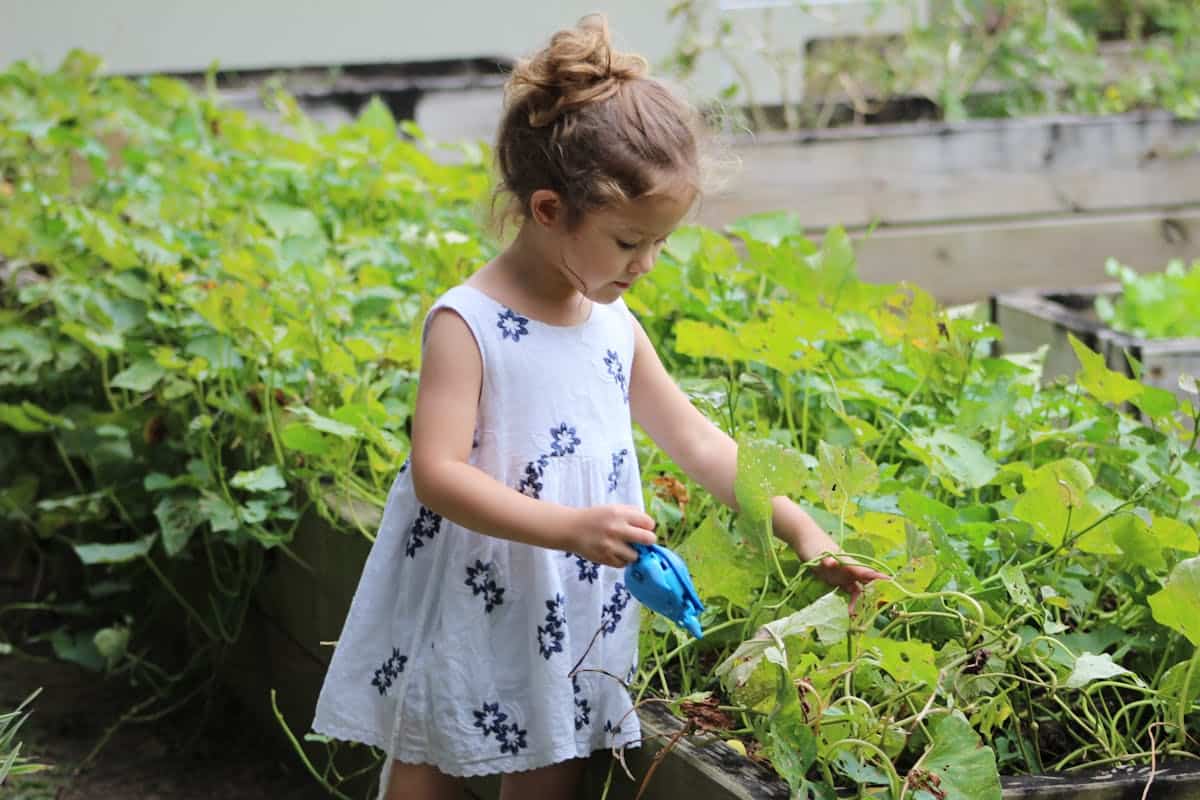
There’s something oddly satisfying about watching a kid stumble through grass taller than their boots, dragging a rake like a knight with a sword. It’s chaos. It’s endearing. And yes—somewhere in that muddy, half-watered garden is a powerful teaching moment. Because yard work? It’s not just chores. It’s one of the sneakiest ways to raise responsible little humans without a lecture in sight. And before you ask—no, it doesn’t have to be miserable.
Start With Purpose, Not Perfection
You’re not raising professional landscapers. You’re raising people. Small people with big feelings, short attention spans, and sticky fingers. That’s your crew.
So when you hand them a trowel, skip the speech about doing it “properly.” Instead, tell them why the garden matters and why the wilting tomato plant needs a drink. Why the weeds gotta go. Kids aren’t motivated by neatness—they’re motivated by meaning.
Is it gonna be messy? Yep. They’ll dig too deep. Water the same patch for ten minutes straight. But when the first flower blooms? That’s ownership. That’s responsibility taking root.
Hand Over Real Tools (Not Just Toy Versions)
Plastic shovels are fun at the beach, sure. But if you want your kid to take yard work seriously, give them tools that actually do something. Not the rusted leftovers from 2004. Real, functional gear—just sized for smaller hands.
And when the lawn mower breaks down and you’re hunting for parts to fix lawn equipment, don’t shoo them away—let them watch. Let them pass you a wrench. Let them see that things break, and people fix them. That’s the good stuff. That’s how they learn to handle life when it gets mechanical and frustrating.
Give Ownership, Not Just Instructions
Here’s the thing about kids: they’ll care ten times more if it’s theirs. Give them one plant, one tiny patch of earth, one tree to water—and call it theirs. Give it a name. Let them make a little sign for it, badly drawn and brilliant.
It’s not about whether they remember to water it every day. It’s about the quiet shift that happens when a kid realizes they’re in charge of something. That feeling? That’s my responsibility. That’s pride, even if the marigolds don’t make it.
Don’t Just Praise the Result—Praise the Process
“You didn’t give up when it got hard.”
“I saw how focused you were with the watering can.”
“That was a lot of work—you stuck with it.”
Forget perfect flower beds. Focus on what really matters: effort. Consistency. Initiative.
Because the truth? That uneven row of seedlings says more about your kid’s growing sense of follow-through than a manicured hedge ever could.
Don’t just say, “Good job.” Tell them why it was a good job. Let them see the link between effort and pride. That’s where self-worth comes from. Not from gold stars but from doing something hard and knowing they did it well.
Mix in a Little Freedom (and a Bit of Chaos)
Yard work shouldn’t feel like a punishment. And if it does? You’re doing it wrong. Let them jump in puddles halfway through watering the roses. Let them turn the compost pile into a worm safari. Let it get loud, weird, and occasionally muddy.
Responsibility doesn’t have to look serious to be real. Sometimes, the best lessons hide under a rock with six legs and a shell.
And let’s be honest—you’ll remember the laughter way more than whether the lawn looked good that day.
Teach Follow-Through With Clean-Up Time
This part’s not glamorous. It’s not cute. But it matters. Teaching a kid to put away the hose, stack the buckets, sweep the steps? That’s teaching them to finish what they started. Not halfway. All the way.
Don’t do it for them, not even when it’s faster, not even when they whine.
Because this moment, the boring part, is where the character gets built. Not by speeches but by handing them the broom and saying, “We’re not done yet.” That small insistence? It turns into future habits. Grown-up grit. The stuff that lasts.
Let Mistakes Happen (And Resist the Urge to Fix Everything)
They overwatered the herbs. Forgot to shut the sprinkler off. Dug up your favorite plant because it “looked lonely.” This Is where you want to intervene. Fix it. Lecture. Maybe even yell.
But don’t.
Breathe. Laugh, if you can. And then ask: “What do you think happened?” Let them figure it out. Let them feel the sting of a mistake but not the shame. That’s how accountability blooms—when mistakes aren’t feared but understood.
You’re not raising someone who gets everything right. You’re raising someone who learns how to recover when things go sideways. That’s far more useful.
The Yard is a Classroom (But a Cool One)
This isn’t about chores. It never was.
It’s about the quiet magic of watching a kid lean into something real. Something messy, frustrating, full of bugs and sunshine and cracked watering cans. It’s about giving them space to try. To mess up. To try again.