
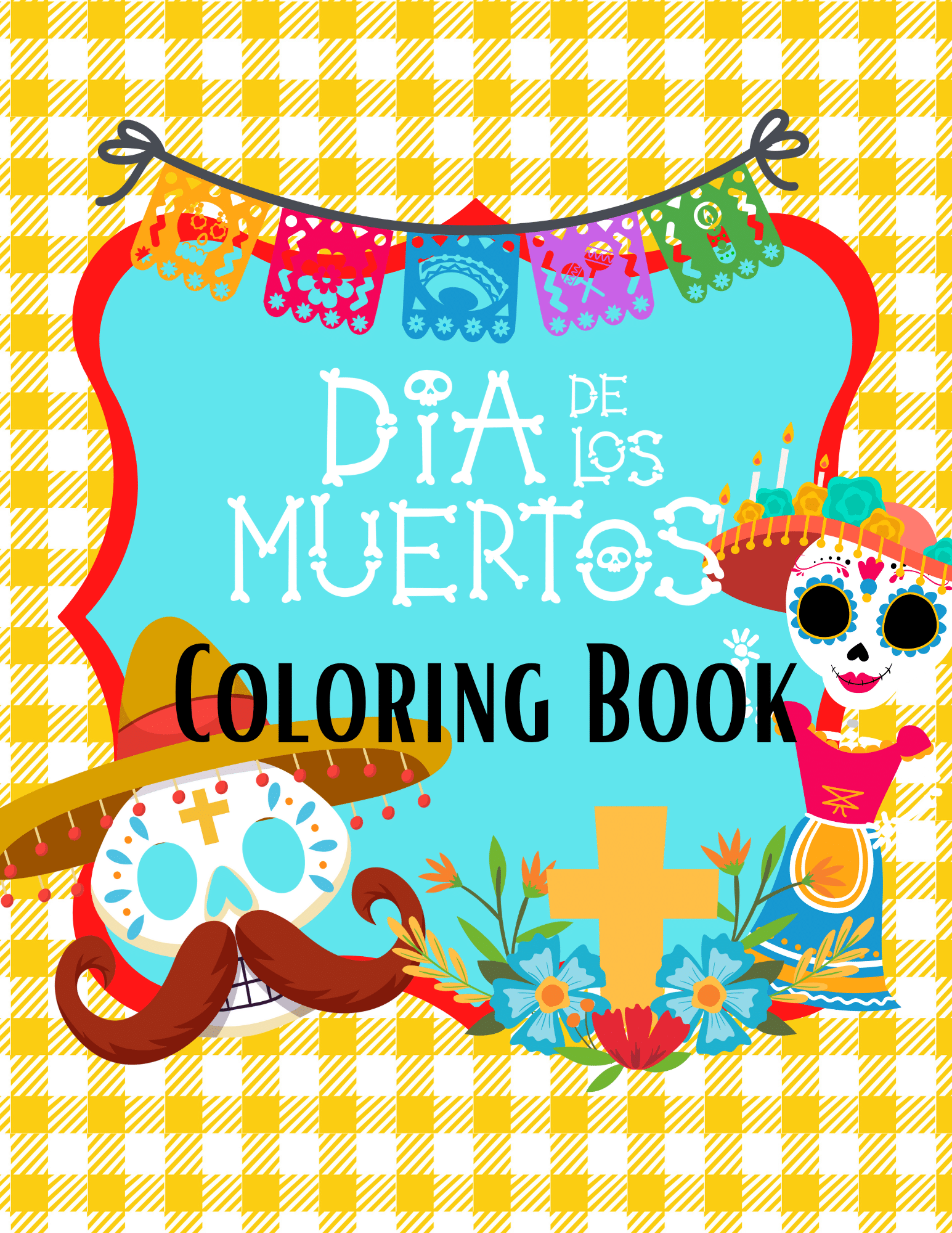
Day of the Dead Activity Kit and Study Unit for Kids
Original price was: $5.97.$0.00Current price is: $0.00.
Description
Creating a “Day of the Dead” study unit can be an engaging way to teach students about the cultural significance, history, and traditions associated with this holiday. Below is a detailed plan for a study unit that can be tailored for different age groups.
Day of the Dead (Día de los Muertos) Study Unit
Unit Overview
This unit explores the history, traditions, and cultural significance of Día de los Muertos, a Mexican holiday that honors deceased loved ones. Through various activities, students will learn about the holiday’s origins, symbolism, and the ways it is celebrated today.
Grade Level
- Elementary (Grades 3-5)
- Middle School (Grades 6-8)
- High School (Grades 9-12)
Duration
- 1 Week (5 Lessons)
Unit Objectives
By the end of this unit, students will:
- Understand the history and cultural significance of Día de los Muertos.
- Identify and explain the key symbols and traditions associated with the holiday.
- Compare Día de los Muertos to other cultural practices related to honoring the dead.
- Create art and participate in activities that reflect the traditions of Día de los Muertos.
Lesson 1: Introduction to Día de los Muertos
- Objective: Introduce students to the history and origins of Día de los Muertos.
- Activities:
- Discussion: Begin with a class discussion on how different cultures honor their deceased loved ones. Introduce Día de los Muertos as a unique celebration.
- Video: Watch a short documentary or educational video about the origins and significance of Día de los Muertos.
- Reading Assignment: Provide a brief history of Día de los Muertos, including its roots in Aztec culture and the blending of indigenous and Catholic traditions.
- Homework: Have students write a reflection on how their own culture or family honors deceased loved ones.
Lesson 2: Symbols and Traditions
- Objective: Explore the key symbols and traditions of Día de los Muertos.
- Activities:
- Interactive Presentation: Show images of altars (ofrendas), marigolds (cempasúchil), sugar skulls (calaveras), and other symbols. Discuss their meanings.
- Craft Activity: Students create their own paper marigolds or decorate a sugar skull template.
- Writing Assignment: Have students write a short description of one symbol and its significance in the celebration.
- Homework: Students research a different symbol associated with Día de los Muertos and prepare to present it in the next class.
Lesson 3: Comparing Cultural Traditions
- Objective: Compare Día de los Muertos with other cultural traditions related to honoring the dead.
- Activities:
- Group Discussion: Compare Día de los Muertos with other traditions, such as Halloween, All Saints’ Day, Qingming Festival, or Obon.
- Venn Diagram: In groups, students create Venn diagrams comparing Día de los Muertos with another tradition.
- Class Presentations: Students present their findings on the symbol they researched in the previous lesson.
- Homework: Reflective essay on the similarities and differences between Día de los Muertos and another cultural practice.
Lesson 4: The Art of Día de los Muertos
- Objective: Explore the artistic expressions of Día de los Muertos.
- Activities:
- Art Project: Create a class ofrenda (altar) or individual altars to honor someone (real or fictional). Include elements like photos, candles, papel picado (cut paper), and food.
- Music and Dance: Introduce students to traditional Día de los Muertos music and dances, such as La Catrina or La Danza de los Viejitos.
- Gallery Walk: Students display their altars and walk around to see each other’s work, providing feedback or comments.
- Homework: Write a poem or short story inspired by Día de los Muertos.
Lesson 5: Celebrating and Reflecting
- Objective: Reflect on the learning experience and celebrate Día de los Muertos.
- Activities:
- Class Celebration: Host a Día de los Muertos celebration where students can share their work (art, writing, presentations).
- Reflection: Students write a reflection on what they have learned during the unit and how it has impacted their understanding of cultural traditions.
- Discussion: Open floor for students to share their thoughts and feelings about the unit and what they found most interesting.
- Final Project: Students can choose a final project (essay, art piece, presentation) to showcase their understanding of Día de los Muertos.
Assessment
- Participation in class discussions and activities.
- Completion of homework assignments and presentations.
- Art projects and creative writing.
- Final project reflecting a comprehensive understanding of Día de los Muertos.
Materials Needed
- Art supplies (construction paper, markers, glue, scissors)
- Sugar skull templates or molds
- Marigold templates or craft supplies for making paper flowers
- A computer or projector for videos and presentations
- Music for traditional Día de los Muertos songs and dances
Additional Resources
- Books: “The Day of the Dead: El Día de los Muertos” by Bob Barner, “Calavera Abecedario: A Day of the Dead Alphabet Book” by Jeanette Winter
- Websites: National Geographic’s Día de los Muertos resources, Smithsonian Learning Lab on Día de los Muertos
This study unit provides a comprehensive exploration of Día de los Muertos while encouraging creativity, cultural awareness, and reflective thinking.
Related products
-
Sale!

Volunteer Organizer and Planner
Original price was: $4.97.$0.00Current price is: $0.00. Add to cart -
Sale!
Paper Flower Craft for Mother’s Day
Original price was: $5.97.$0.97Current price is: $0.97. Add to cart -
Sale!
Free Halloween Charades for Kids
Original price was: $0.97.$0.00Current price is: $0.00. Add to cart
Reviews
There are no reviews yet.