
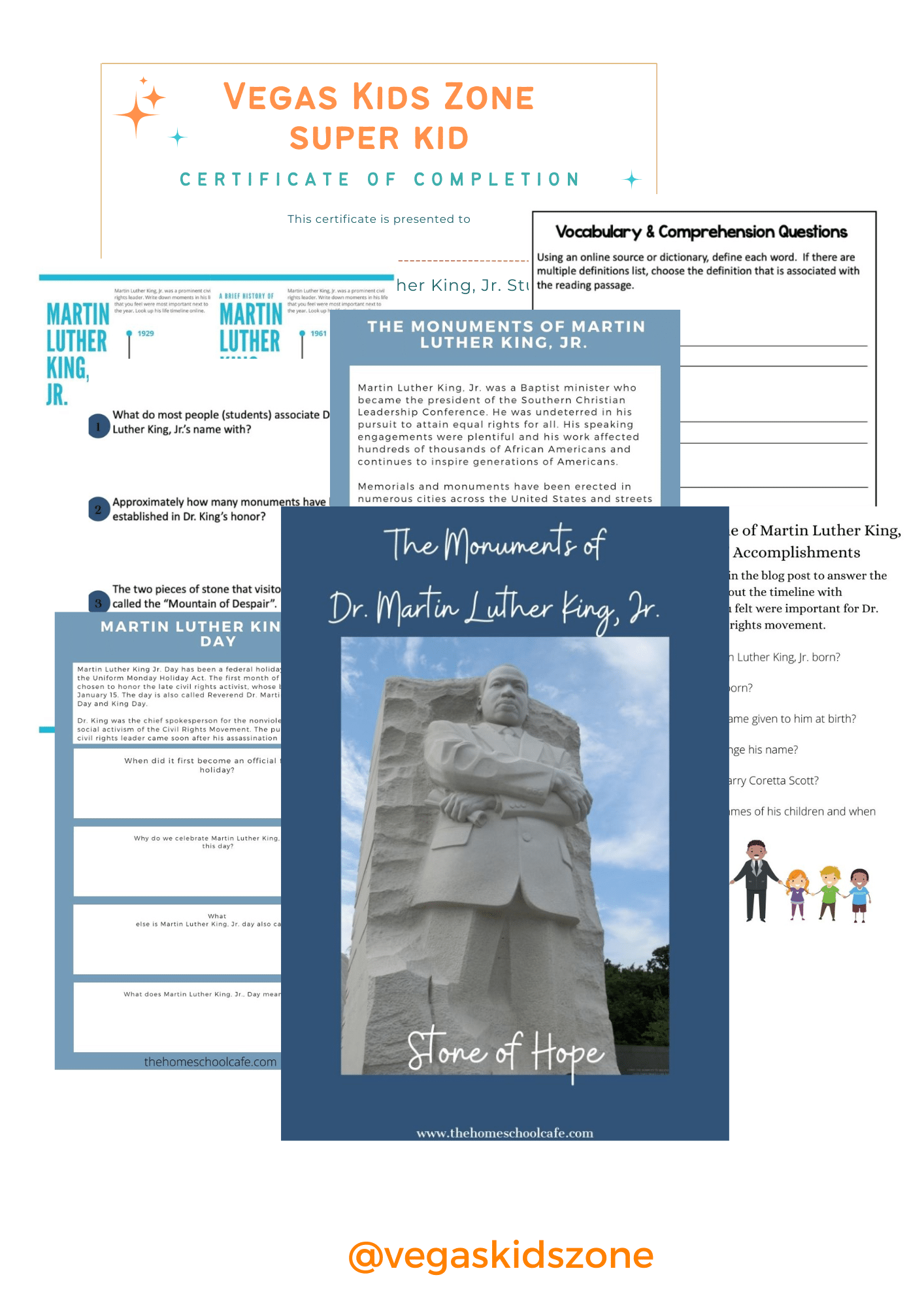
Martin Luther King, Jr. Education Packet and Study Unit
Original price was: $6.97.$0.00Current price is: $0.00.
Dr. Martin Luther King, Jr. was a leader, a dreamer, and a believer in equality and peace. His work to end segregation and promote civil rights has left a lasting legacy. This study unit will help students of all ages learn about Dr. King’s life, his contributions, and how his dream continues to inspire change today.
Study Unit for Martin Luther King, Jr.
Learning Objectives
By the end of this study unit, students will:
- Understand the importance of Martin Luther King, Jr. in American history.
- Learn about the Civil Rights Movement and key events led by Dr. King.
- Reflect on the values of equality, kindness, and nonviolence.
- Explore ways to make a positive impact in their communities.
Materials Needed
- Internet access (optional for videos)
- Printables (provided in this packet)
- Art supplies (markers, crayons, paper, scissors)
- Books about Dr. King (recommended list included)
Lesson Plan
1. Introduction to Martin Luther King, Jr.
Activity: Timeline Exploration
Provide a timeline of Dr. King’s life and achievements. Discuss major events such as:
- His birth on January 15, 1929, in Atlanta, Georgia.
- The Montgomery Bus Boycott (1955-1956).
- The “I Have a Dream” speech during the March on Washington (1963).
- His Nobel Peace Prize (1964).
- His assassination on April 4, 1968.
Discussion Prompt: What do you think motivated Dr. King to fight for equality? How did his actions help others?
2. The “I Have a Dream” Speech
Activity: Dream Clouds
Play a video or audio recording of Dr. King’s famous “I Have a Dream” speech. Then, ask students to write or draw their own dreams for a better world on cloud-shaped cutouts. Display the clouds to create a “Dream Wall.”
Discussion Prompt: What are some of Dr. King’s dreams that have come true? Which ones still need work?
3. Nonviolence and the Civil Rights Movement
Activity: Peaceful Problem-Solving Role Play
Explain Dr. King’s commitment to nonviolence and discuss examples, such as the Montgomery Bus Boycott and the Selma-to-Montgomery marches. Then, present scenarios where students can practice solving conflicts peacefully (e.g., a disagreement on the playground).
Discussion Prompt: Why do you think Dr. King believed so strongly in nonviolence? How can we use nonviolence in our own lives?
4. Exploring Segregation
Activity: “Separate But Equal” Simulation
Divide the class into two groups and give one group access to fewer supplies or privileges for a brief activity. Afterward, discuss how it felt and relate it to segregation in Dr. King’s time.
Discussion Prompt: Why is treating everyone equally so important? How can we ensure everyone feels included?
5. Make a Difference: Community Service Project
Activity: Kindness Campaign
Encourage students to brainstorm ways they can make a positive impact in their community, such as writing thank-you notes to community helpers, organizing a donation drive, or planting a garden. Set a date to implement one of these ideas as a class or family.
Discussion Prompt: How does helping others bring people together? How does it honor Dr. King’s legacy?
Additional Resources
Books:
- “I Am Martin Luther King, Jr.” by Brad Meltzer
- “Martin’s Big Words” by Doreen Rappaport
- “My Daddy, Dr. Martin Luther King, Jr.” by Martin Luther King III
- “A Picture Book of Martin Luther King, Jr.” by David A. Adler
Videos:
- “The Story of Martin Luther King Jr.” (YouTube)
- “Our Friend, Martin” (animated film)
Reflection Worksheet
(Printable included)
- What is one thing you learned about Dr. King that inspired you?
- What would you like to change in your school, neighborhood, or community?
- How can you help make that change happen?
Closing Activity
Activity: Unity Art Project
Create a collaborative art piece symbolizing unity and diversity. Each student can decorate a handprint cutout with their name and something that makes them unique. Arrange the handprints into a heart or circle shape to represent inclusion and equality.
Final Thought: Martin Luther King, Jr. dreamed of a world where everyone is treated equally and with kindness. Let’s work together to keep his dream alive in our actions every day!
Description
Dive into history with our exclusive Martin Luther King Jr. Study Unit! Explore the life, work, and impact of Dr. King through interactive activities, discussion prompts, and creative projects. This is a great way to connect with your kids and reflect on the values of equality and kindness.
Dr. Martin Luther King, Jr. was a leader, a dreamer, and a believer in equality and peace. His work to end segregation and promote civil rights has left a lasting legacy. This study unit will help students of all ages learn about Dr. King’s life, his contributions, and how his dream continues to inspire change today.
We have many Education Packets on local flora and fauna with Study Units in the VKZ Shop here as well as a Black History Month
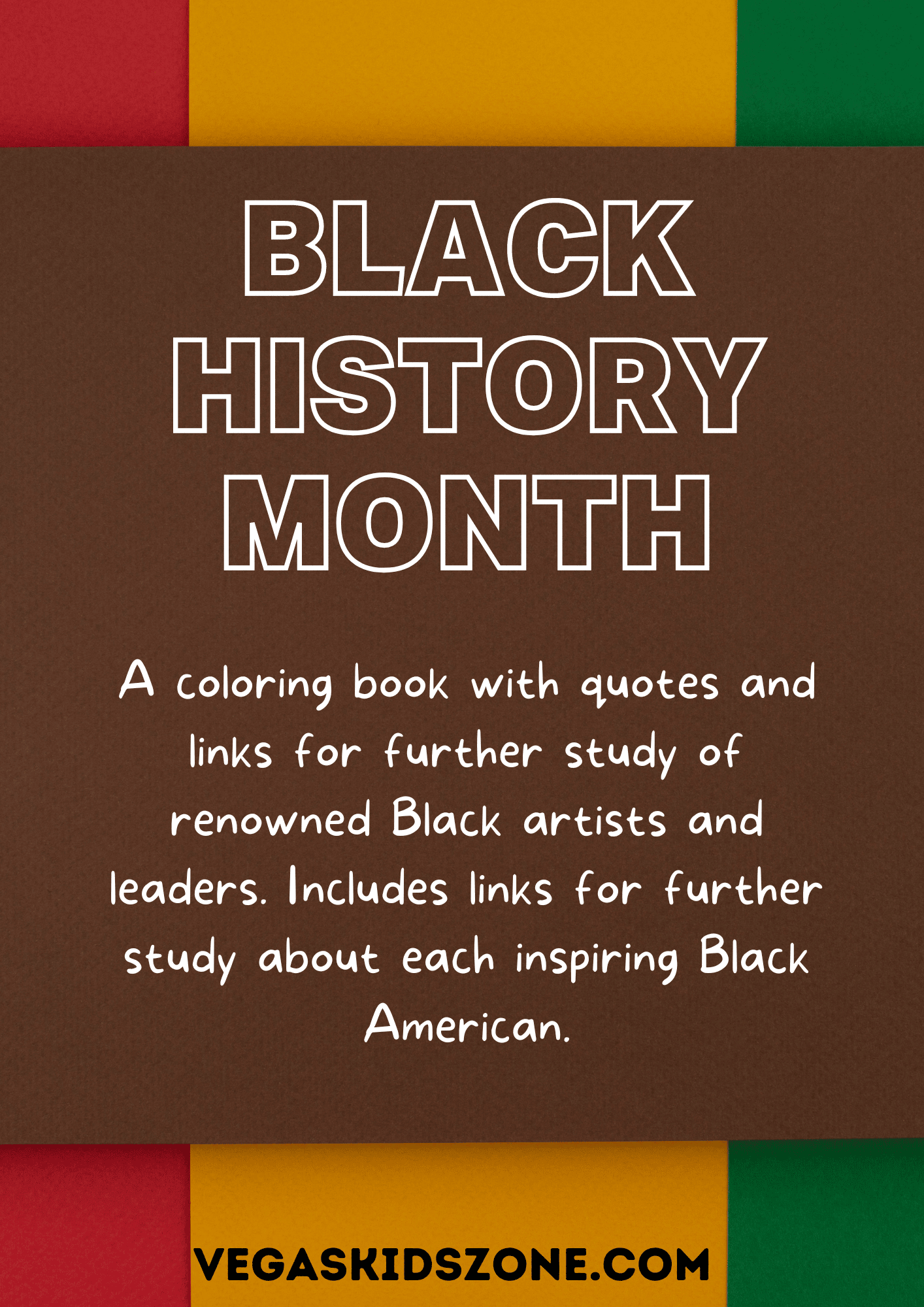
Free Black History Month coloring book! Click here.

Study Unit for Martin Luther King, Jr.
By the end of this study unit, students will:
- Understand the importance of Martin Luther King, Jr. in American history.
- Learn about the Civil Rights Movement and key events led by Dr. King.
- Reflect on the values of equality, kindness, and nonviolence.
- Explore ways to make a positive impact in their communities.
Materials Needed
- Internet access (optional for videos)
- Printables (provided in this packet)
- Art supplies (markers, crayons, paper, scissors)
- Books about Dr. King (recommended list included)
Lesson Plan
1. Introduction to Martin Luther King, Jr.
Activity: Timeline Exploration
Provide a timeline of Dr. King’s life and achievements. Discuss major events such as:
- His birth on January 15, 1929, in Atlanta, Georgia.
- The Montgomery Bus Boycott (1955-1956).
- The “I Have a Dream” speech during the March on Washington (1963).
- His Nobel Peace Prize (1964).
- His assassination on April 4, 1968.
Discussion Prompt: What do you think motivated Dr. King to fight for equality? How did his actions help others?
2. The “I Have a Dream” Speech
Activity: Dream Clouds
Play a video or audio recording of Dr. King’s famous “I Have a Dream” speech. Then, ask students to write or draw their own dreams for a better world on cloud-shaped cutouts. Display the clouds to create a “Dream Wall.”
Discussion Prompt: What are some of Dr. King’s dreams that have come true? Which ones still need work?
3. Nonviolence and the Civil Rights Movement
Activity: Peaceful Problem-Solving Role Play
Explain Dr. King’s commitment to nonviolence and discuss examples, such as the Montgomery Bus Boycott and the Selma-to-Montgomery marches. Then, present scenarios where students can practice solving conflicts peacefully (e.g., a disagreement on the playground).
Discussion Prompt: Why do you think Dr. King believed so strongly in nonviolence? How can we use nonviolence in our own lives?
4. Exploring Segregation
Activity: “Separate But Equal” Simulation
Divide the class into two groups and give one group access to fewer supplies or privileges for a brief activity. Afterward, discuss how it felt and relate it to segregation in Dr. King’s time.
Discussion Prompt: Why is treating everyone equally so important? How can we ensure everyone feels included?
5. Make a Difference: Community Service Project
Activity: Kindness Campaign
Encourage students to brainstorm ways they can make a positive impact in their community, such as writing thank-you notes to community helpers, organizing a donation drive, or planting a garden. Set a date to implement one of these ideas as a class or family.
Discussion Prompt: How does helping others bring people together? How does it honor Dr. King’s legacy?
Additional Resources
Books:
- “I Am Martin Luther King, Jr.” by Brad Meltzer
- “Martin’s Big Words” by Doreen Rappaport
- “My Daddy, Dr. Martin Luther King, Jr.” by Martin Luther King III
- “A Picture Book of Martin Luther King, Jr.” by David A. Adler
Videos:
- “The Story of Martin Luther King Jr.” (YouTube)
- “Our Friend, Martin” (animated film)
Reflection Worksheet
(Printable included)
- What is one thing you learned about Dr. King that inspired you?
- What would you like to change in your school, neighborhood, or community?
- How can you help make that change happen?
Closing Activity
Activity: Unity Art Project
Create a collaborative art piece symbolizing unity and diversity. Each student can decorate a handprint cutout with their name and something that makes them unique. Arrange the handprints into a heart or circle shape to represent inclusion and equality.
Martin Luther King, Jr. dreamed of a world where everyone is treated equally and with kindness. Let’s work together to keep his dream alive in our actions every day!
Related products
-
Sale!
Earth Day Mystery: The Case of the Vanishing Veggies
Original price was: $5.97.$0.00Current price is: $0.00. Add to cart -
Sale!

Free Printable Space Valentines for Kids
Original price was: $3.97.$0.00Current price is: $0.00. Add to cart

Reviews
There are no reviews yet.